
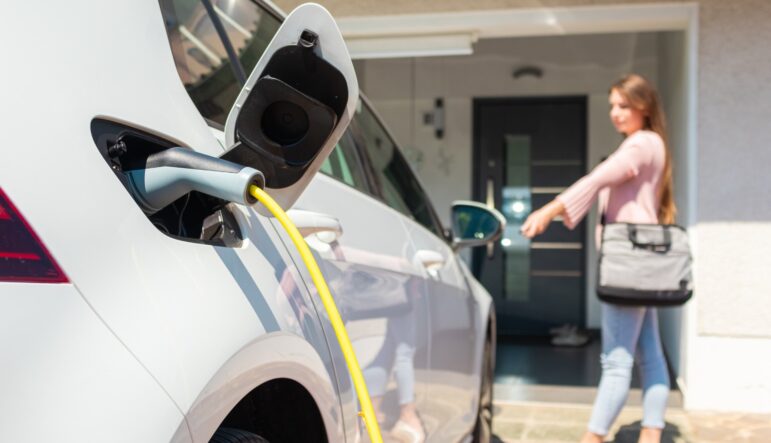
As electric vehicles (EVs) become more popular, many homeowners throughout Northern Virginia are looking for convenient ways to charge at home. But what if you don’t have a garage or indoor space available? Installing an outdoor EV charging station can be a practical solution, but it comes with a unique set of considerations. Below are key factors to evaluate before moving forward with an exterior installation.
Not all EV chargers are designed to withstand the seasonal elements. When installing outdoors, it’s critical to select a unit specifically rated for exterior use. Look for chargers with a high weather-resistance rating (such as NEMA 4 or NEMA 4X enclosures), which protect against rain, snow, dust, and temperature fluctuations. This ensures both safety and long-term durability.
Before installing an outdoor charging station, your home’s electrical system must be assessed. EV chargers, especially Level 2 chargers, require significant power. If your panel is already near capacity, you may need an upgrade to safely support the additional load. A licensed electrician can determine whether your system can handle the demand or if upgrades are necessary.
Placement is more important outdoors than indoors. You’ll want the charger located conveniently near your driveway or parking area while still minimizing exposure to extreme conditions. Consider proximity to your electrical panel to reduce installation costs, as well as cable length to ensure easy access to your vehicle without stretching or strain.
Even weather-rated chargers benefit from additional protection. Installing the unit under an overhang, carport, or weatherproof enclosure can extend its lifespan and improve usability during rain or snow. In colder climates, snow buildup and ice can also impact accessibility, so positioning and protection should be planned carefully.
Outdoor chargers are more exposed, making secure mounting essential. Chargers should be installed on a sturdy wall or pedestal to prevent damage or tampering. Additionally, consider security features such as lockable units or app-based access controls to prevent unauthorized use, especially if the charger is visible from the street.
Electrical work, especially outdoor installations, must comply with local building codes and regulations. Many municipalities require permits and inspections for EV charger installations. Working with a professional electrician ensures compliance and avoids potential fines or safety issues down the line.
When installing an EV charging station outdoors, along the fence or next to the street if that’s where you park, if you live in a community with an HOA, it’s important to check what rules or regulations govern this type of installation. Some communities do not allow it while others only allow certain models, as well as installations in only specific locations, so rather than installing and having to remove it later, check ahead of time.
Outdoor EV charger installation isn’t a DIY-friendly project. From ensuring proper grounding to safely routing wiring outdoors, there are many technical considerations. Hiring a licensed electrician, like the experienced team at CoreTrade Electric, ensures your installation is safe, code-compliant, and built to last.
Have a Question or Considering an Outdoor Charging Station? Contact the Professional Electricians at CoreTrade Today