
Many older homes in Northern Virginia have charm, character, and solid construction, but they can also hide energy problems that drive up electric bills. In many cases, the issue is not simply using too much electricity. The home is most likely forcing heating, cooling, lighting, and appliances to work harder than they should.
That extra waste often happens quietly through outdated systems, hidden air leaks, inefficient lighting, and older appliances that consume more power than necessary. The good news is that once you know where the waste is happening, there are practical ways to reduce it.
Older homes were typically built before modern efficiency standards became common. U.S. Department of Energy materials note that older homes can use far more energy per square foot than newer, more efficient homes [1]. That does not mean every older house performs poorly, but it does mean homeowners are more likely to deal with energy loss from aging materials, outdated equipment, and inefficient electrical use.
One of the biggest hidden causes of wasted electricity is air leakage. Drafts around windows, doors, walls, ceilings, outlets, and other openings can let conditioned air escape and force your heating and cooling system to run longer.
DOE guidance explains that reducing drafts and air leaks can improve comfort and cut energy waste by 5% to 30% per year [2]. In older homes, this issue is especially common because insulation may be inadequate by today’s standards, or original sealing materials may have deteriorated over time.
Heating and cooling is often one of the largest contributors to a home’s utility bill. If an older home has aging equipment, dirty filters, leaky ducts, or poor thermostat settings, the system may be using far more electricity than necessary.
DOE resources show that many homes lose large amounts of heated or cooled air through leaky or poorly insulated ducts [2]. An older HVAC system may also be less efficient simply because of age, wear, or outdated technology. Even when the system is still running, it may not be running efficiently.
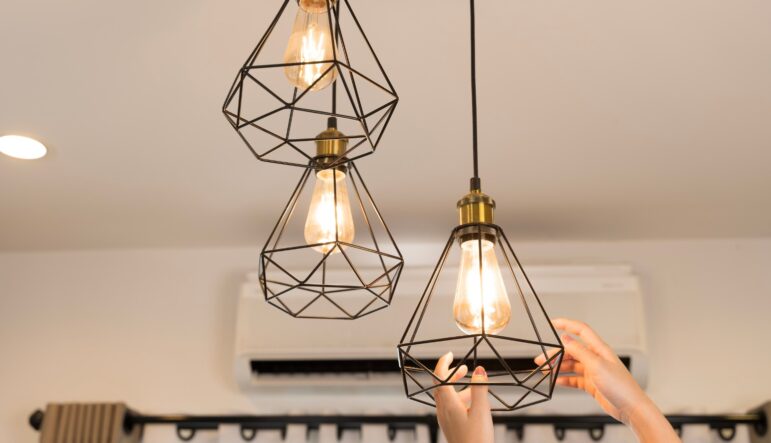
Small daily sources of waste can also add up. Older lighting, older refrigerators, dryers, and other appliances often use more electricity than newer efficient models. On top of that, electronics that stay plugged in can continue drawing power even when they are not actively being used.
DOE recommends using advanced power strips and more efficient appliances and lighting to reduce vampire loads and unnecessary electricity use [3]. These upgrades can make a noticeable difference over time, especially in older homes with outdated fixtures and equipment.
The first step is figuring out where the energy loss is happening. A home energy assessment can help identify the biggest problem areas and prioritize what to fix first. From here, homeowners can take practical steps such as sealing air leaks, improving insulation, replacing outdated lighting, upgrading older appliances, and addressing inefficient electrical equipment.
DOE also notes that a do-it-yourself home energy assessment can help homeowners identify easier opportunities to save energy [4] before bringing in a professional for a deeper evaluation.
If your older home seems to have higher electric bills than it should, the problem may be hidden inefficiencies rather than obvious overuse. Addressing those issues can improve comfort, reduce waste, and help your home perform more efficiently year-round.
Contact CoreTrade Electric today to discuss energy-saving electrical upgrades and efficiency improvements for your Northern Virginia home.
Sources: